
SANJEV deSILVA
Director of Equity and Belonging
At Redwood Day, we inspire students to embrace their whole selves and honor belonging within our community and beyond.
Diversity, Equity, Inclusion, and Belonging (DEIB) at Redwood Day reflects our commitment to fostering a community where all individuals can thrive. We understand diversity as the celebration of differences across identities, experiences, and perspectives. Equity means ensuring that each person has what they need to succeed, recognizing that support may look different for different individuals. Inclusion refers to the policies, practices, and everyday actions that support meaningful access and participation for all members of our community. When this work is carried out with care and intention, the result is not only a sense of belonging, but a deeper, shared understanding of what it means to truly belong.
Because this work touches all aspects of school life, we aim for every student to feel safe, valued, and able to participate fully in the community, while also developing the skills to engage respectfully and thoughtfully with others. Redwood Day integrates cultural competence, equity and inclusion, and social awareness throughout its curriculum and programming for both students and adults. We approach diversity broadly, and our curriculum reflects this in developmentally appropriate ways, engaging topics such as ability, age, appearance, family structure, gender identity and expression, language, nationality, race and ethnicity, religion, sexual orientation, and socioeconomic circumstance. This philosophy also informs our admissions and hiring practices.
Student Diversity at Redwood Day
52% identify as Black, Indigenous, People of Color (BIPOC) | 13% identify as Asian/Pacific Islander/South Asian |
5% identify as Black/Caribbean/African American | 1% identify as Latinx/Hispanic |
37% identify as White | 5% identify as gender-expansive |
4% of families identify as LGBTQ+ | 43% identify as Multiracial |
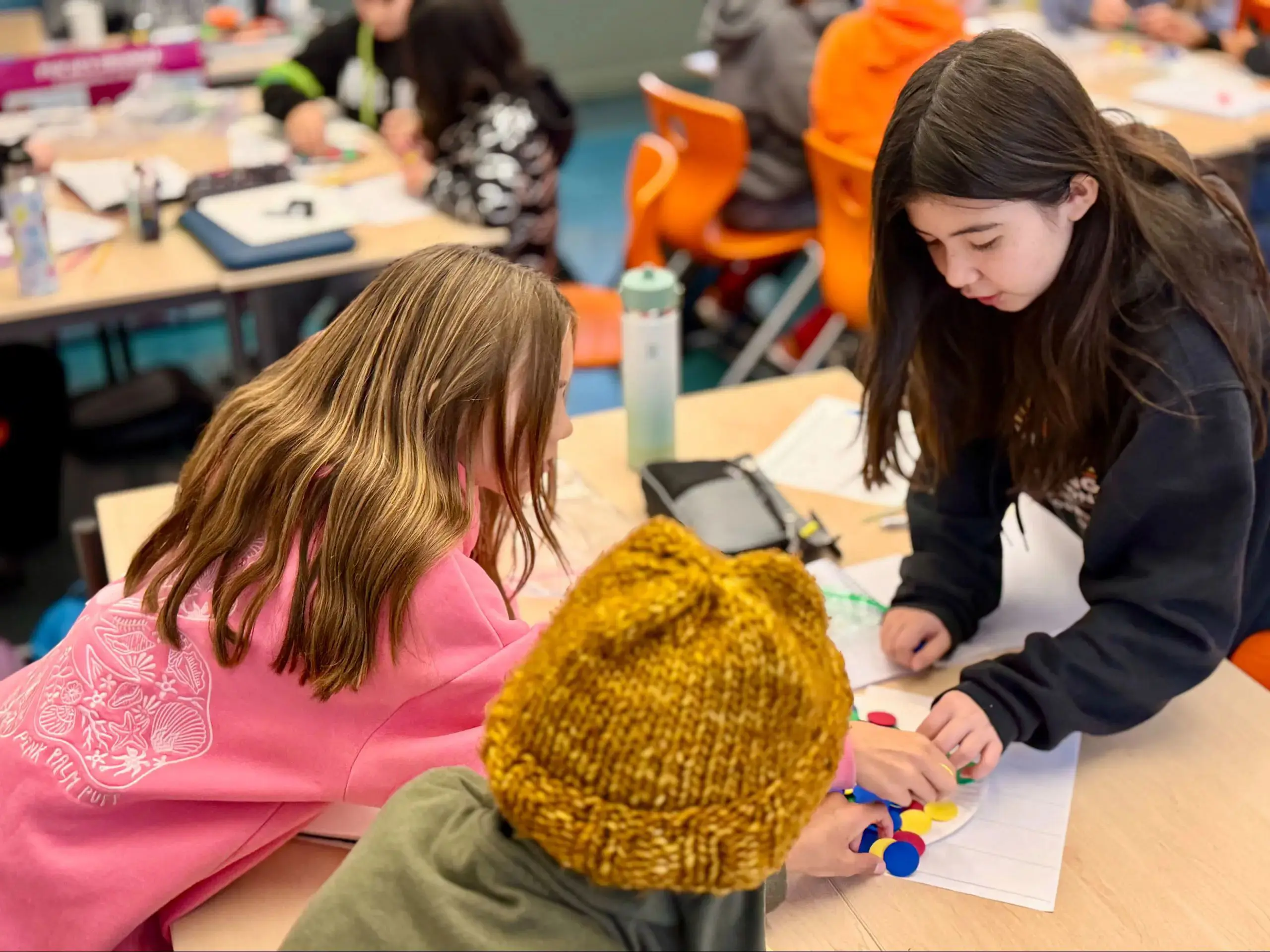
Unique to Redwood Day is our approach to community building through our K-8 Equity and Inclusion Groups. We’ve created dedicated time during the school day for students, faculty, and staff to engage in intentional discussions about diversity, equity, inclusion, and belonging. Our curriculum is informed by the Social Justice Standards developed by Learning for Justice, a set of anchor standards and age-appropriate learning outcomes divided into four domains — identity, diversity, justice, and action. Grades K-2 focus on exploring and celebrating identity and diversity, learning about themselves and others. Grades 3-5 continue with identity and diversity, adding justice, and action, as students learn to recognize and understand different perspectives, intersectionality, explore stereotypes, abilities, and privilege. This foundation sets the stage for deeper exploration in grades 6-8 through dynamic, faculty-led workshops that explore such topics as identity, culture, intersectionality, allyship, and more. The Equity & Inclusion days in both the Lower and Middle School are supported by a dedicated team of Equity & Inclusion Coordinators.
AS A SCHOOL COMMUNITY, WE LEARN AND GROW TOGETHER TO EXTEND OUR COMMITMENT TO DIVERSITY, EQUITY, INCLUSION, AND BELONGING BEYOND OUR CAMPUS, INTO OAKLAND AND THE WIDER WORLD.
Affinity SPACES
Affinity spaces at Redwood Day are optional, community-building opportunities that support connection, reflection, and a sense of belonging among members of our school community. Participation is open to all, and we have intentionally expanded these spaces to include both individuals who share a particular identity and those who participate as allies and supporters.
These spaces exist across three areas of our community:
- Students (primarily in Middle School)
- Employees (faculty and staff)
- Parents and guardians
Redwood Day has several longstanding affinity spaces, and we continue to welcome the development of new groups in response to community interest. All spaces are voluntary and designed to be inclusive, respectful environments that align with the school’s mission and values.
In the Middle School, affinity spaces are student-centered and supported by trained faculty and staff, with student leaders receiving guidance in facilitation and community engagement. Employee spaces provide opportunities for collegial connection and reflection, while parent and guardian spaces offer a way to build community and share resources in partnership with the wider school community.
Across all three areas, affinity spaces are grounded in respect for diverse perspectives, open dialogue, and the shared goal of fostering a strong, connected school community. These experiences also support students’ social and emotional development by helping them build empathy, strengthen their sense of self, and engage thoughtfully with others.